Fabrics, Textures & Drape

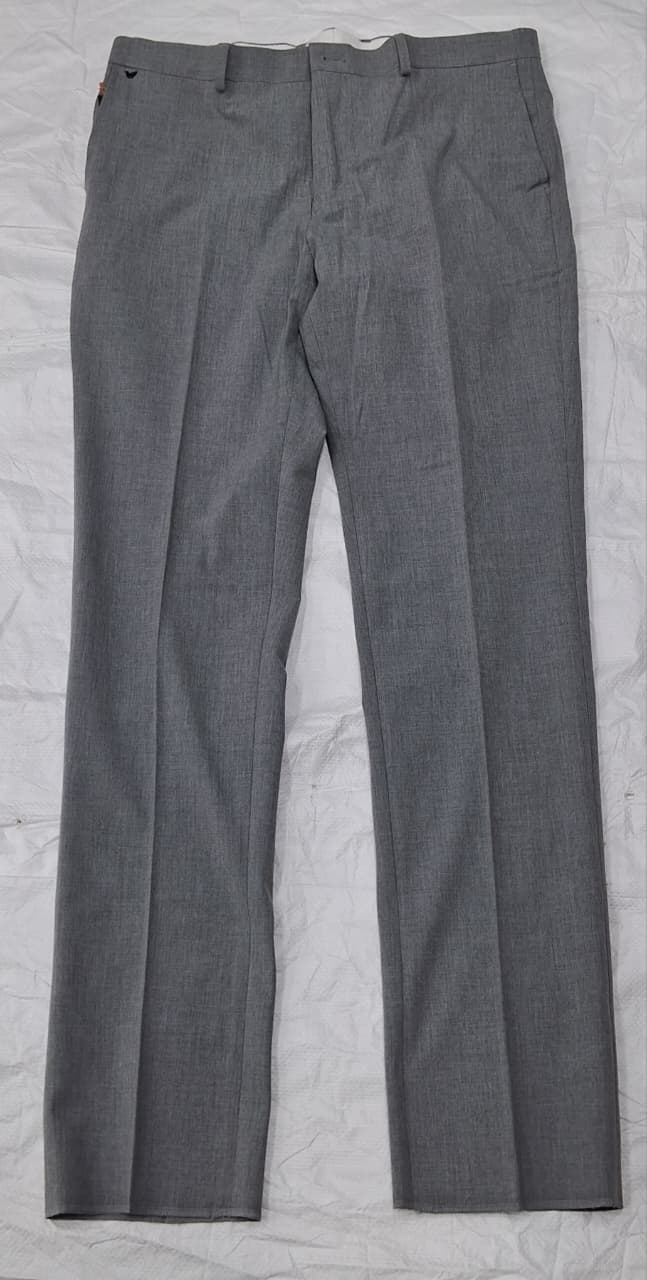
Grey melange formal trousers with a softly mottled surface
Grey melange: mixed tones of yarn create a softly mottled surface.

Fabrics & Textures

The pattern gives a trouser its shape, but the cloth decides how that shape behaves. Fabric controls how a trouser hangs, how sharply it holds a crease, how it breathes in Mumbai's humidity and how it looks at the end of a long day.

This page explains the fibres, weaves and finishes most often used in men's formal trousers. It is general textile knowledge. Where we describe the photographs supplied by Options Mall, we describe only what can be seen. We do not claim a fibre content we cannot confirm.

Part one · Fibres

What the cloth is made of.

Wool

The traditional cloth of tailoring. Wool fibres are naturally elastic and crimped, so they recover from creasing, hold a pressed line well and drape with weight. Fine worsted wools (made from long, combed fibres spun tightly) give the smooth, clean face associated with formal trousers. Lighter wools can be surprisingly comfortable in warm weather because the fibre manages moisture well.

Best for formal business wear, events, air-conditioned offices

Wool blends

Wool is often blended with polyester, viscose or a small amount of elastane. Blends can add durability, reduce cost, improve wrinkle resistance or introduce stretch, while keeping much of wool's appearance. The character of a blend depends heavily on the proportions, so the label is worth reading.

Best for everyday office wear, travel, easier care

Cotton

Breathable, soft and comfortable, cotton is the basis of most chino-style and smart-casual trousers. A tightly woven cotton twill can look surprisingly formal when pressed. Cotton creases more readily than wool and tends to hold a softer crease, which gives it a relaxed character.

Best for warm days, business casual, weekends

Cotton blends

Cotton blended with elastane gains stretch and shape retention, which is why many contemporary slim and tapered trousers use it. Cotton-polyester blends dry faster and crease less than pure cotton. Both trade a little breathability for convenience.

Best for slim fits, commuting, long days

Linen

Made from flax, linen is one of the coolest fabrics to wear in heat and humidity. It has a dry hand, a natural slub (small irregular thickenings in the yarn) and an easy drape. It creases readily, and many people consider those creases part of its charm. Linen blends with cotton or wool reduce creasing while keeping the texture.

Best for summer, resort and daytime events, relaxed tailoring

Polyester blends

Polyester is strong, resists wrinkles and holds pleats and creases well, which makes it common in formal trousers, especially blended with viscose or wool. On its own it breathes less than natural fibres. In a good blend it adds durability and easy care without spoiling the look.

Best for easy care, frequent wear, travel
Part two · Weaves & weights

How the cloth is constructed.

A weave is the pattern in which lengthwise (warp) and crosswise (weft) yarns interlace. The same fibre woven differently can produce a crisp, flat cloth or a soft, textured one. These diagrams are simplified illustrations.

Plain weave

The simplest interlacing: over one, under one. Plain weaves are crisp, light and stable. Many lightweight suiting and linen cloths use them.

Twill

Yarns pass over two or more threads in a stepped pattern, creating fine diagonal lines. Twills drape well, resist soiling and hide creases, which is why so many trousers and chinos use them.

Gabardine

A tightly woven twill with a steep, clearly defined diagonal rib on the face. Gabardine is smooth, durable and holds a sharp crease, making it a classic for formal trousers in wool, cotton or blends.

Tropical weight

Not a weave so much as a category: lightweight, often open plain-weave wools and blends designed for hot climates. The open structure lets air pass through while keeping a tailored appearance.

Part three · Surfaces in our photographs

Seven textures, seen up close.

These trousers were photographed for Options Mall. Each loupe magnifies the original photograph so you can see the surface. Our notes describe appearance only; fibre content has not been confirmed for these garments.

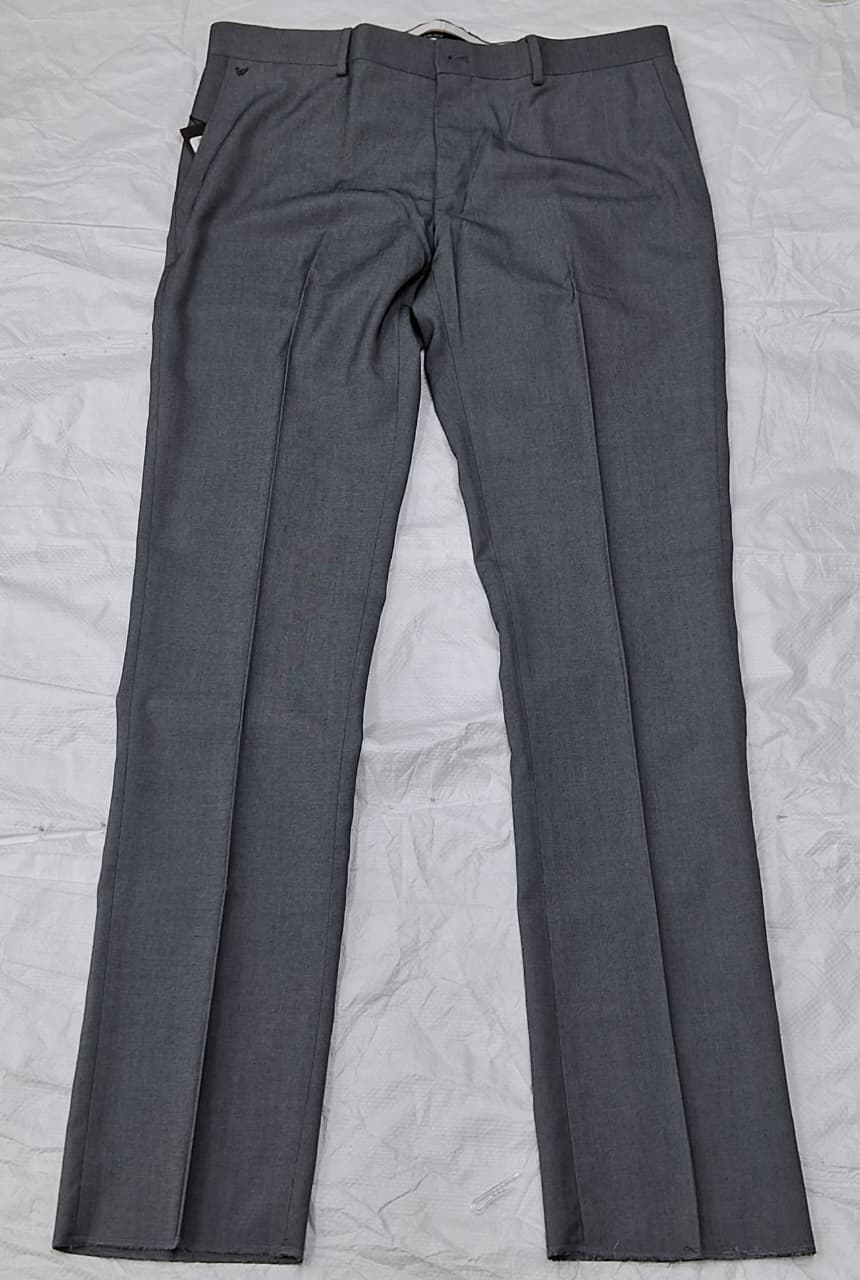
Grey trousers with a textured woven surface
01

Textured weave

A visible, slightly irregular texture breaks up the grey, adding depth without pattern. Textured weaves often hide creasing well.

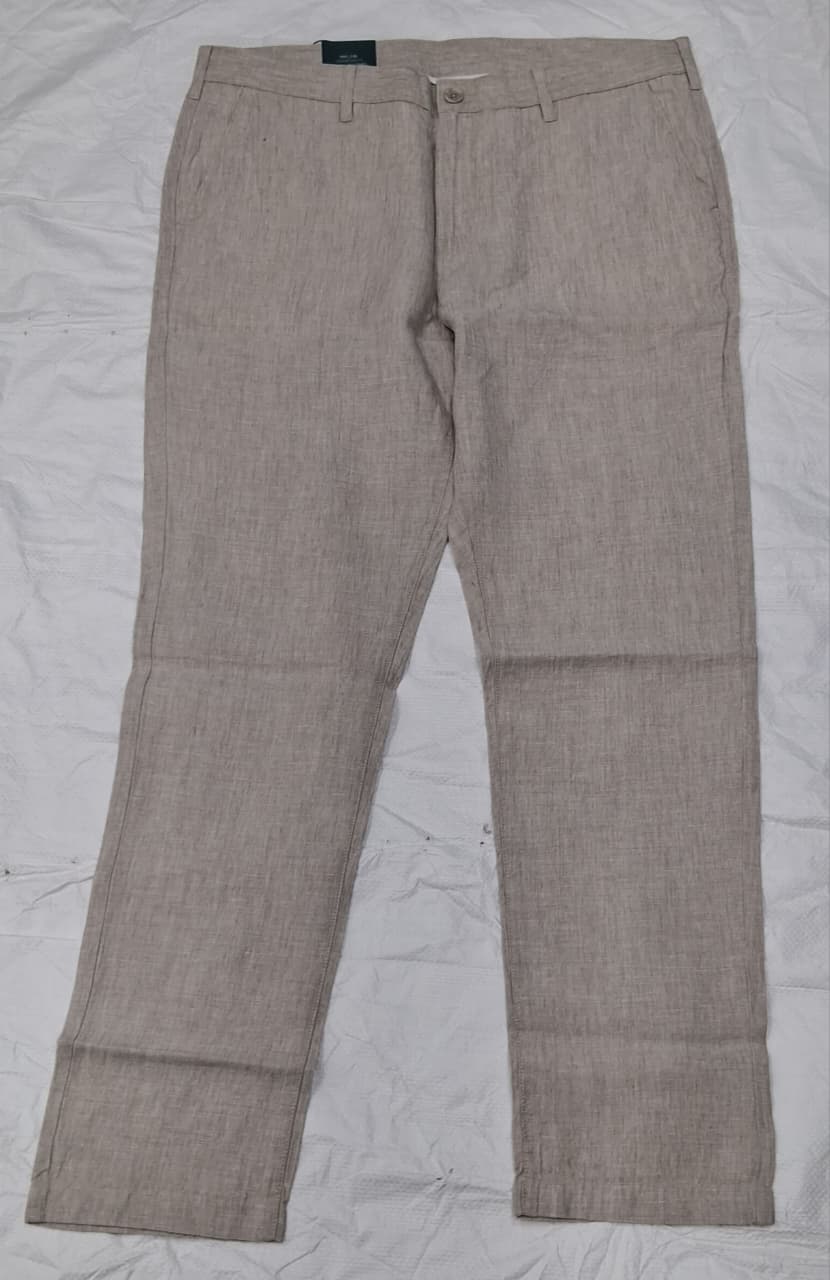
Oatmeal trousers with a slubbed, linen-like surface
02

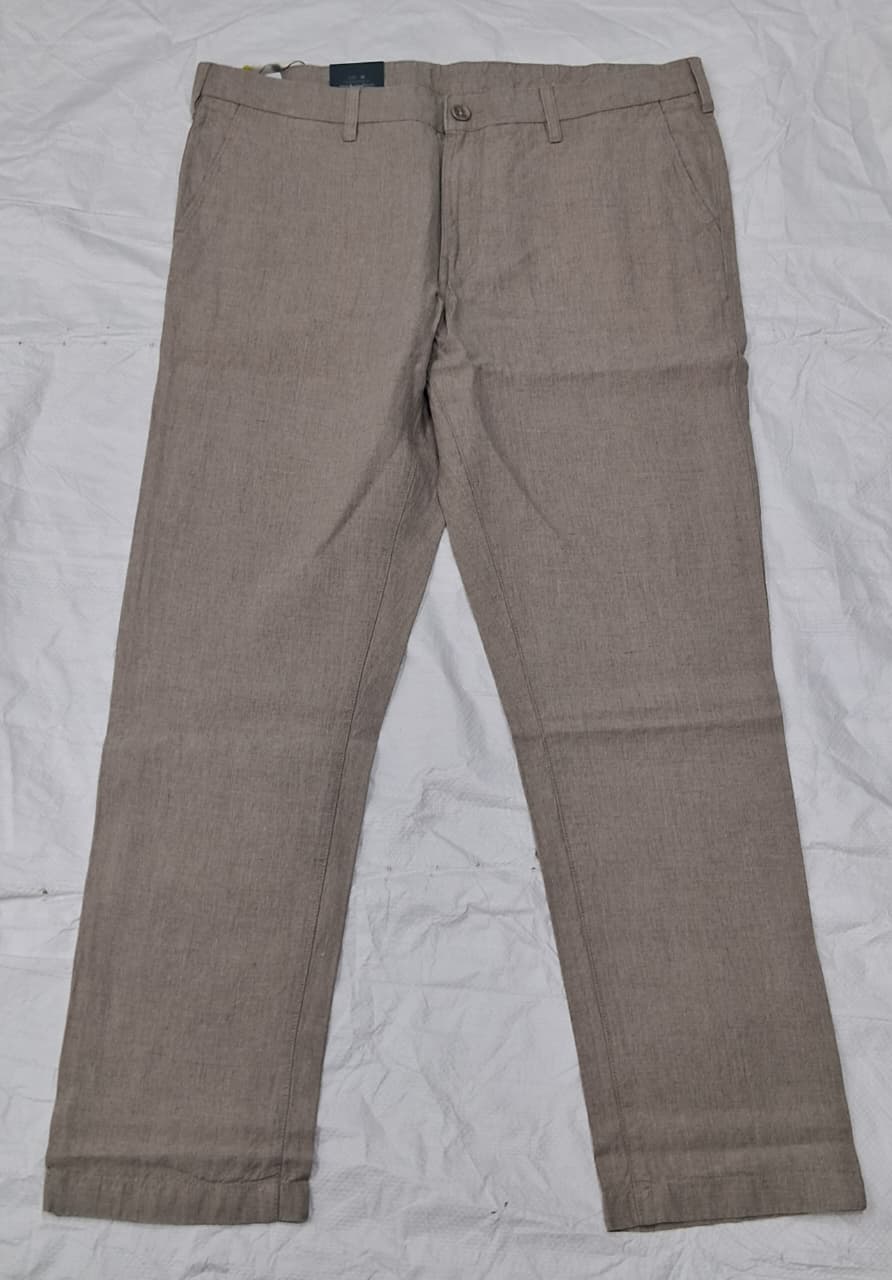
Slubbed, linen-like

Small irregularities in the yarn give a dry, natural surface typical of linen and linen blends. The look is relaxed and summery.

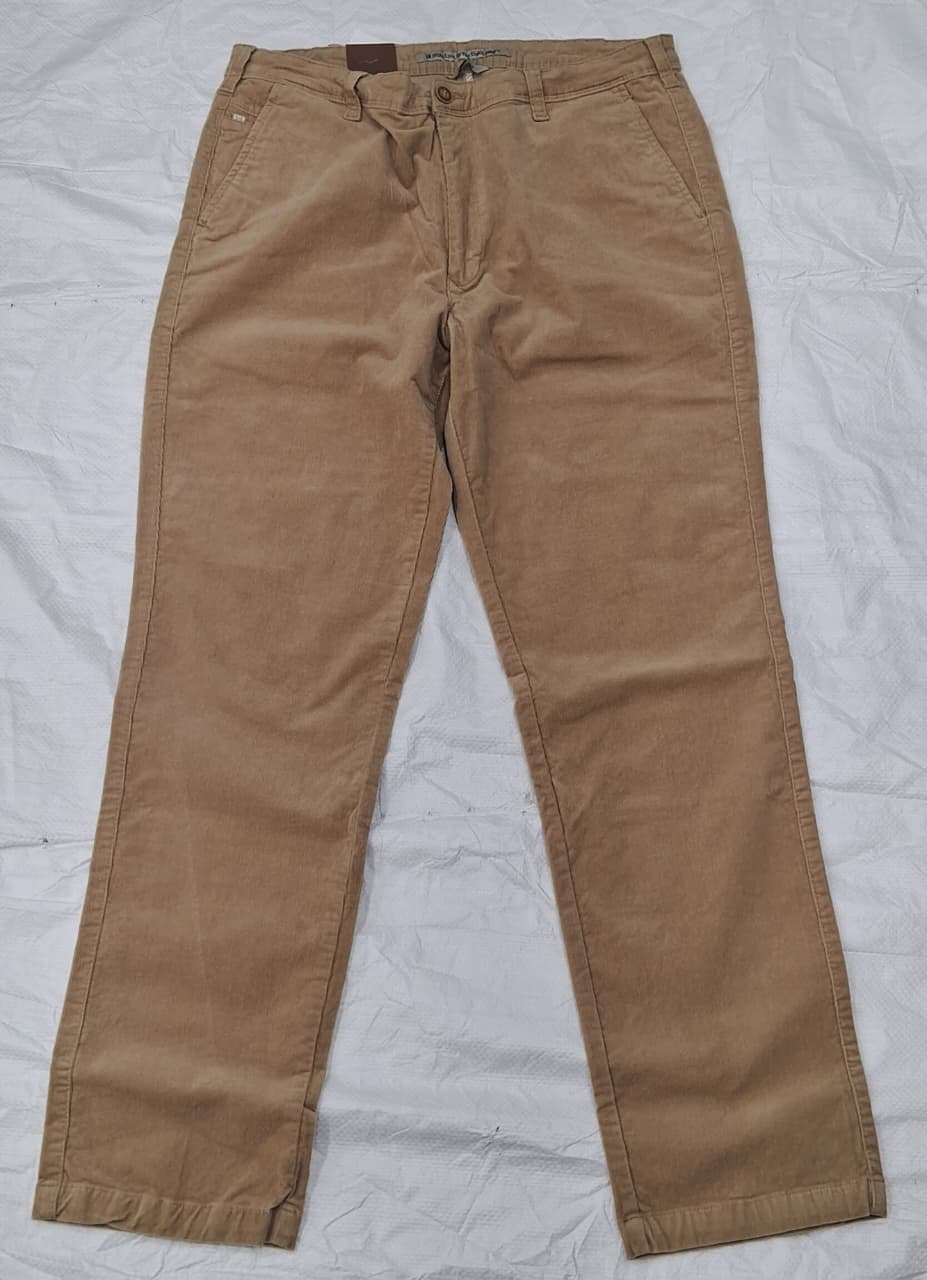
Tan trousers with a fine corded, ribbed surface
03

Fine corded rib

Narrow vertical ribs run down the leg, a texture associated with fine-wale corduroy. Corded surfaces bring warmth and a smart-casual character.

Taupe heathered trousers with a soft, uneven tone
04

Heathered

Fibres in slightly different shades blend into a soft, uneven tone. Heathered cloth looks gentle and lived-in.

Dark brown trousers with a fine corded surface
05

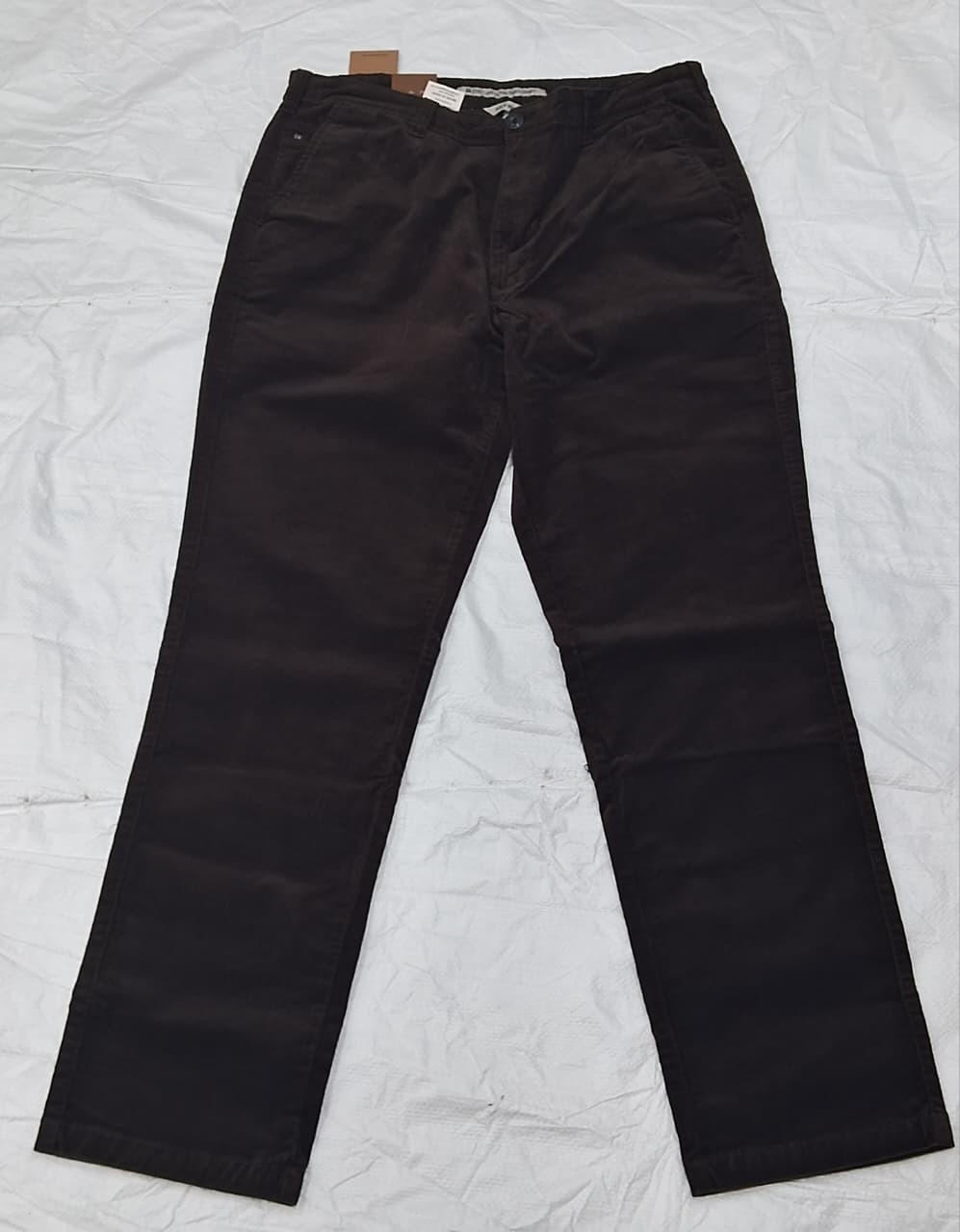
Dark corded

The same ribbed texture in a deep brown. Darker tones make ribbed cloth look more formal and evening-appropriate.

Grey trousers with a small-scale woven texture
06

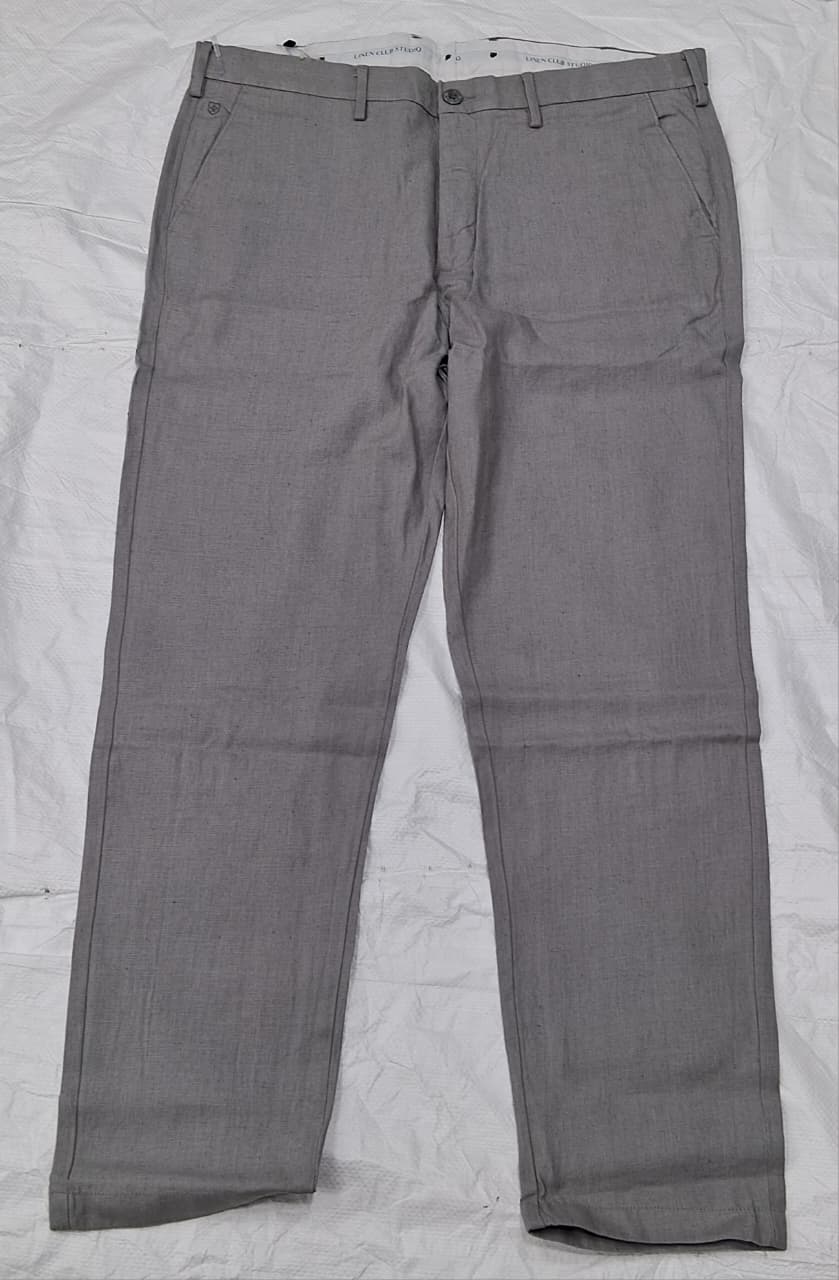
Small-scale woven texture

A tiny repeating texture, similar to what weavers call a dobby or micro-design. From a distance it reads as plain grey.

Blue-grey melange trousers with a fine mixed-yarn appearance
07

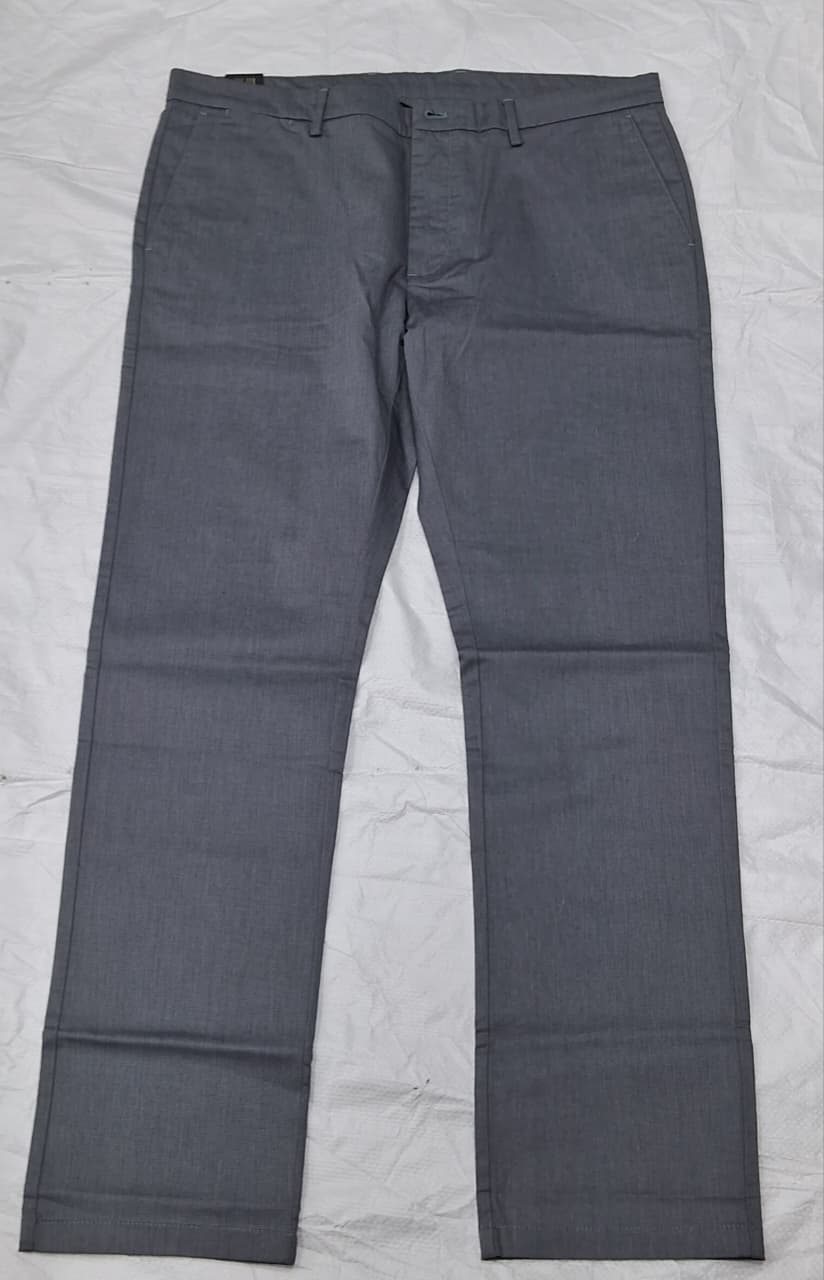
Blue-grey melange

Yarns of different tones mixed before weaving create a fine, speckled finish that softens a cool blue-grey.

Part four · Characteristics

Comparing the cloths.

A general guide. Individual fabrics vary with yarn, weight, weave and finishing.

FabricBreathabilityStructureDrapeWrinkle resistanceTypical season
Worsted woolGoodHighFluid, weightedGood: recovers wellYear-round in light weights
Wool blendModerate to goodHighCleanGoodYear-round
Cotton twillGoodMediumSoftModerateWarm and mild weather
Cotton-elastaneModerateMediumClose to the bodyModerate to goodYear-round
LinenExcellentLowLoose, airyLow: creases easilyHot weather
Polyester-viscoseModerateMedium to highSmoothHighYear-round, travel
GabardineModerateHighCrispGoodYear-round
Tropical woolVery goodMediumLightGoodHot weather

Part five · Fabric and appearance

Why the same cut can look so different.

Weight sets the hang. Heavier cloth falls in a straighter, more vertical line and holds a crease longer. Lighter cloth moves with the body, which is cooler but shows more folds at the knee and seat.

Surface sets the formality. Smooth, flat faces such as gabardine and fine worsted look the most formal. Texture, slub and rib move a trouser toward business casual.

Sheen changes with light. A slight lustre looks rich in evening light; a matte surface looks calmer in daylight. Strong shine on a formal trouser usually comes from wear or over-pressing, not from good cloth.

Colour depth depends on fibre. Wool and good blends hold deep, saturated colours; cotton tends to soften and fade gently over time, which is part of its appeal.

Part six · Durability & care

Looking after the cloth.

Always follow the care label on your garment first; these are general practices.

  1. Wool & wool blends

    Brush after wearing, rest between wears, and dry clean sparingly. Steam rather than iron directly, using a pressing cloth to avoid shine.

  2. Cotton & cotton blends

    Usually machine washable on a gentle cycle. Turn inside out, avoid high heat in the dryer, and press while slightly damp for a sharper crease.

  3. Linen

    Wash gently, dry flat or hung, and iron while damp if you prefer a crisper look. Accept a little creasing as part of the character.

  4. Polyester blends

    Generally easy to wash and quick to dry. Use a low iron setting, because high heat can glaze synthetic fibres.